Free Guide · 22 Min Read
Balancing a 9-5
& Ironman Training
A realistic guide to training for 140.6 miles while working full time. No trust fund required. From someone who did it while building an app and creating content on the side.
The Reality Check.
Let's get one thing straight: training for an Ironman while working a full-time job is not easy. Anyone who tells you otherwise is either lying or doesn't have a job. It's 6-9 months of early alarms, sacrificed weekends, and constantly feeling like you're falling behind on something: work, training, relationships, or sleep.
But here's the truth: the majority of Ironman finishers have full-time jobs. They're not professional athletes. They're software developers, teachers, accountants, nurses, and managers who figured out how to make it work within the constraints of a normal life.
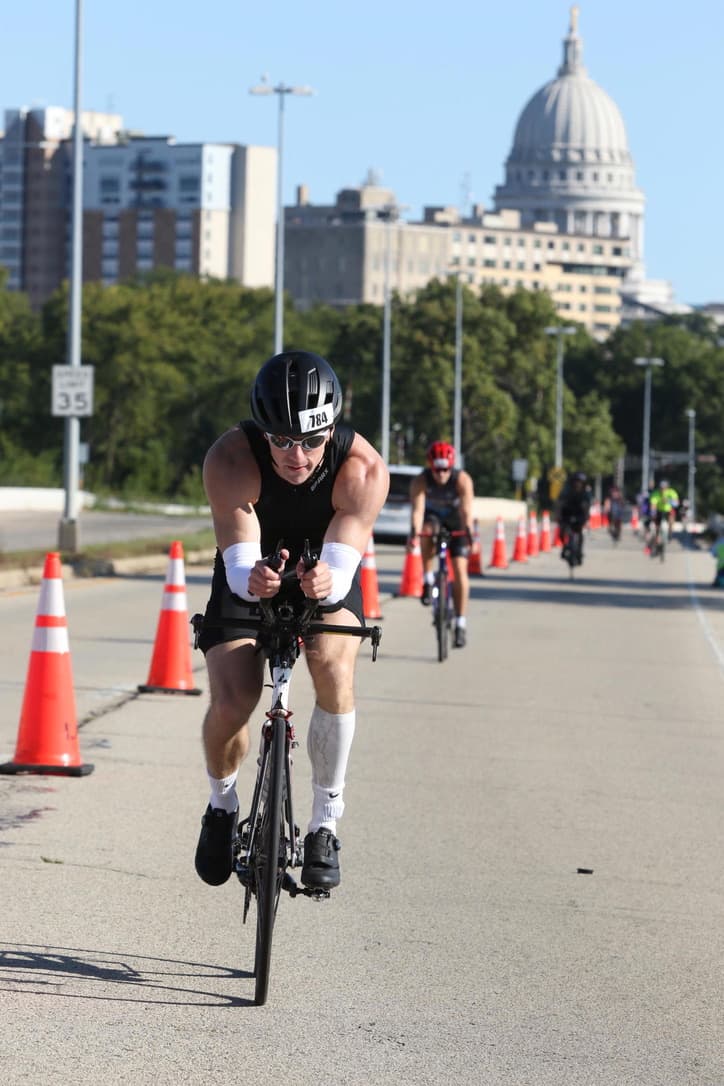
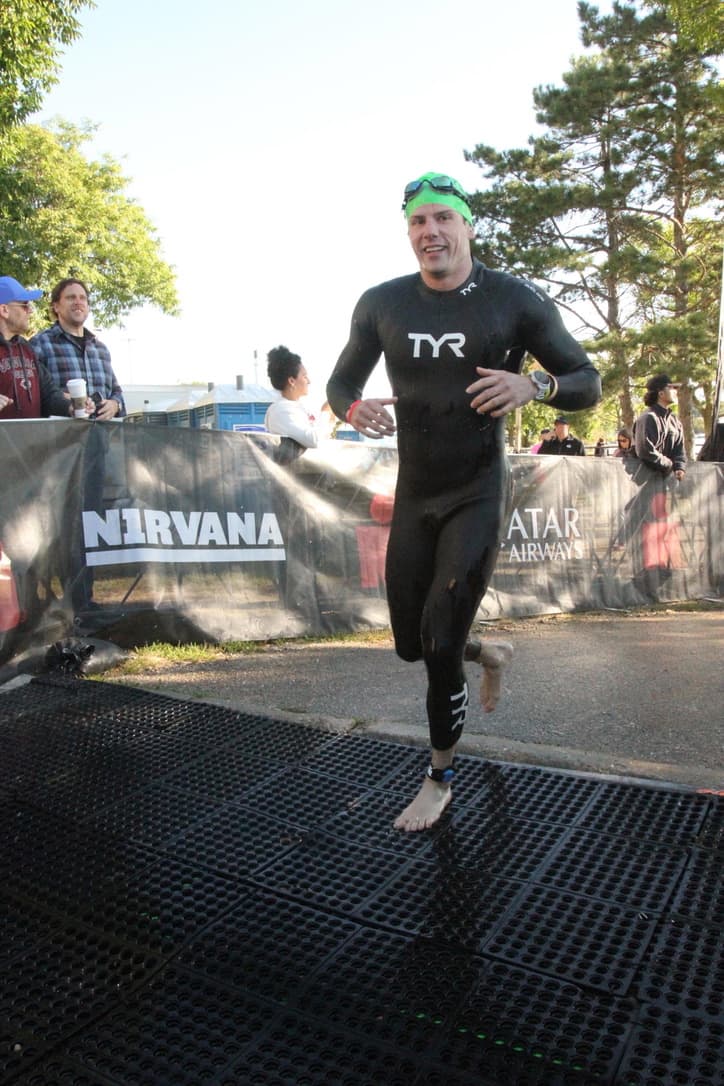
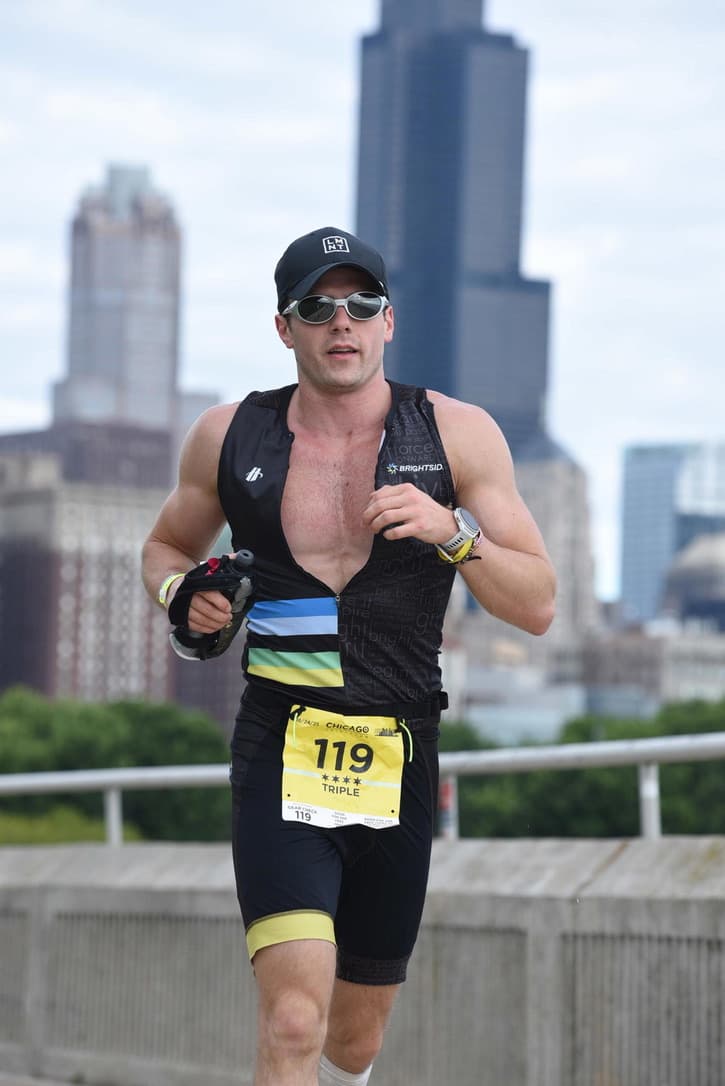
I trained for Ironman Wisconsin while working as a full-time software developer, building and launching InstaCal, creating content for social media, and trying to maintain a social life. Not elite. But I crossed that finish line, and so can you.
This guide is the playbook I wish I had. No fluff. Just the practical strategies that actually work when you have 40+ hours a week spoken for before training even starts.
The Time Audit.
Before you sign up for an Ironman, do a brutally honest time audit. You need to find 10-15 hours per week for training at peak volume. Here's where most people actually find the time:
TV / Streaming
2-3 hrs/week
Cut your screen time in half. One show per night instead of three.
Social Media Scrolling
1-2 hrs/week
Track your screen time. Most people scroll 2+ hours daily. Reclaim half of it.
Morning Routine
3-5 hrs/week
Wake up 60-90 min earlier. This is where the magic happens.
Lunch Breaks
2-3 hrs/week
30-45 min runs during lunch. Shower at a nearby gym.
Weekend Mornings
4-6 hrs/week
Saturday and Sunday mornings become your long session windows.
Commute (if applicable)
1-2 hrs/week
Bike commute as a training ride. Run commute if close enough.
That's 13-21 hours right there. You don't need all of them. But you do need to be intentional about where your time goes. Ironman training doesn't require you to quit your life. It requires you to audit it.
Pro Tip
Sample Weekly Schedule.
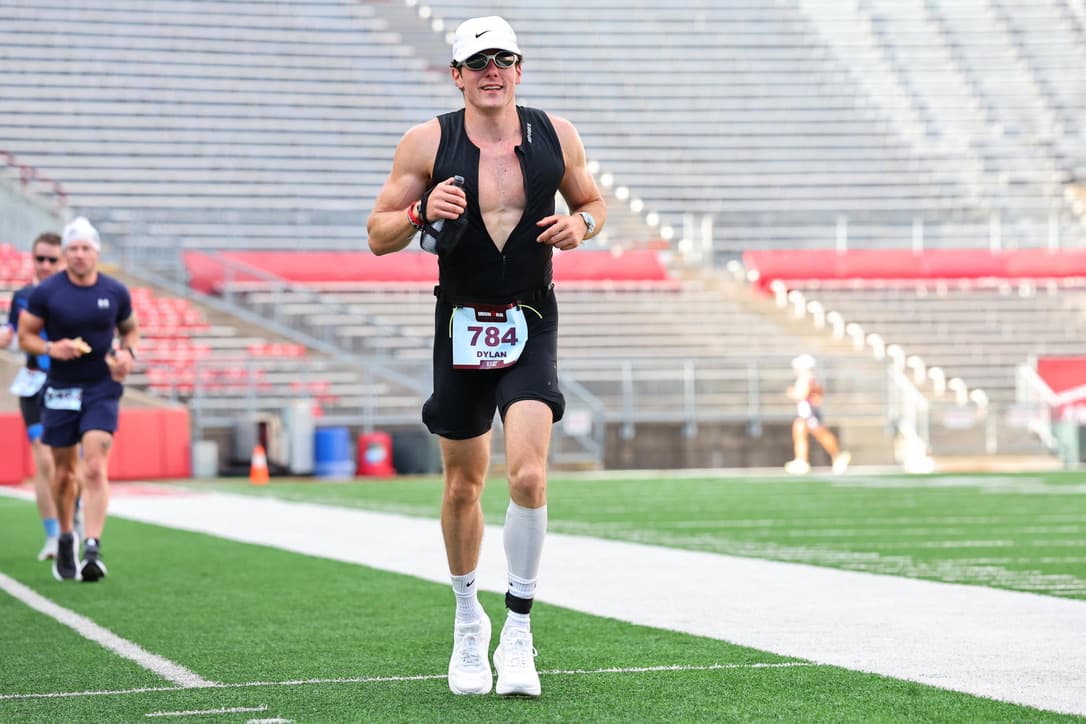
5:30 AM Stadium Stairs
Here's a realistic peak-phase training week that fits around a 9-5 job. This assumes an 8 AM - 5 PM work schedule with some flexibility on lunch breaks.
| Day | Workout | When | Duration |
|---|---|---|---|
| Monday | Swim (technique + endurance) | 5:30 AM | 1 hr |
| Tuesday | Run (tempo or intervals) | Lunch / 6 PM | 50 min |
| Wednesday | Bike (trainer intervals) | 5:30 AM | 1.5 hrs |
| Thursday | Swim + Short Run | 5:30 AM + Lunch | 1.5 hrs total |
| Friday | Rest or easy swim/yoga | -- | 0-30 min |
| Saturday | Long Bike + Brick Run | 6:00 AM | 4-6 hrs |
| Sunday | Long Run | 7:00 AM | 1.5-2.5 hrs |
Total: ~12-14 hours per week at peak. Weekday sessions are 60-90 minutes. The big volume lives on weekends. This is doable. Not easy, but doable.
Pro Tip
Morning vs Evening Training.
This is the most common question I get. The short answer: mornings win. Not because morning workouts are physiologically superior, but because they're more reliable. Here's why:
The Case for Mornings
Nothing competes with 5 AM. No meetings. No emergencies. No “Hey, can you stay late?” Your morning workout happens before the world has a chance to derail it. Evening workouts get crushed by work running late, social obligations, and pure exhaustion.
Mental clarity boost. Training before work makes you sharper at your desk. I was more productive at work on days I trained in the morning. The endorphin boost and sense of accomplishment carry into everything else.
Evenings become free. When your workout is done by 7 AM, your entire evening is open for cooking, relationships, side projects, or just resting. This is massive for maintaining quality of life.
When Evening Works Better
Some people are genuinely not morning people, and that's okay. If you consistently skip morning sessions because you can't wake up, switch to evenings. A completed evening workout beats a skipped morning workout every time. The best training schedule is the one you actually follow.
Evening training also works well for swim sessions (pools are often less crowded at 7-8 PM) and for easy recovery runs where intensity doesn't matter.
Pro Tip
Sleep Optimization.
Sleep is the most underrated performance enhancer. It's when your body repairs muscle, consolidates fitness gains, and restores the mental energy you need for both work and training. Sacrifice sleep and everything else falls apart -- your workouts suffer, your focus at work drops, and your injury risk skyrockets.
The Non-Negotiable Target
7-8 hours per night minimum. If you're waking up at 5 AM to train, that means you're in bed by 9-9:30 PM. Yes, this means your evenings get shorter. That's the trade-off. There is no hack that replaces sleep.
Sleep Quality Strategies
Consistent bedtime. Go to bed and wake up at the same time every day, including weekends. Your body's circadian rhythm thrives on consistency.
No screens 30 min before bed. Blue light suppresses melatonin. Read a book, stretch, or prep your morning gear instead.
Cool, dark room. 65-68 degrees is ideal. Blackout curtains if streetlights are an issue. A white noise machine if you're a light sleeper.
Prep the night before. Lay out your workout clothes, fill your water bottles, set the coffee maker. Eliminating morning decisions saves time and lets you sleep 10-15 minutes longer.
Pro Tip
Meal Prepping for Athletes.
Fuel the Machine
When you're training 10-15 hours a week on top of a full-time job, you do not have time to cook elaborate meals every night. Meal prepping is not optional, it's survival. You're burning 3,000-4,000+ calories a day during peak training. You need to eat a lot, and it needs to be good fuel.
The Sunday Prep Session
Spend 2-3 hours on Sunday afternoon prepping meals for the week. Here's what I batch-cooked weekly during Ironman training:
Protein
5 lbs of chicken thighs or ground turkey, seasoned and baked. Divide into containers. Takes 45 minutes.
Carbs
A big pot of rice or pasta. Cook 4-5 servings at once. Store in the fridge. Reheat as needed.
Vegetables
Roasted sheet pan veggies: sweet potatoes, broccoli, bell peppers. Toss in oil, season, roast at 425F for 25 minutes.
Snacks
Pre-portioned trail mix, hard-boiled eggs (make a dozen), protein bars, and cut fruit in containers.
Recovery Shakes
Pre-measured protein powder + oats in ziplock bags. Add milk and banana, blend. 30-second post-workout meal.
Pro Tip
Managing Energy at Work.
You will be tired. There's no getting around it. Peak training weeks mean you're physically exhausted by Wednesday. Your job still needs you to be sharp. Here's how to manage the overlap:
Front-load demanding work. Do your hardest, most creative work in the first 3-4 hours of the workday. Your brain is freshest after your morning workout and breakfast. Save meetings and admin tasks for the afternoon slump.
Strategic caffeine. One coffee in the morning, one after lunch if needed. Avoid caffeine after 2 PM or it wrecks your sleep, which wrecks everything. If you need an afternoon boost, take a walk outside instead.
Eat enough at lunch. Under-eating is the fastest way to crash at 2 PM. Eat a solid lunch with protein, carbs, and fat. Your body is recovering from this morning's workout and needs fuel.
Recovery days at work = low-key work days. Align your rest days with your hardest work days when possible. If you know Thursday has a big presentation, make Thursday a rest or easy swim day.
Pro Tip
Communicating with Your People.
The Support System
Ironman training doesn't just affect you. It affects your partner, your friends, your family, and your coworkers. The people in your life need to understand what's coming and feel like they're part of it, not competing with it.
With Your Partner
Have a real conversation before you sign up. Explain the time commitment (10-15 hrs/week), the early mornings, the long weekend sessions. Ask for their support and listen to their concerns. Set boundaries together: “Saturday mornings are my long ride, but Saturday evenings are ours.” Invite them to be part of it: come to the race, be your crew. When they feel included, the sacrifice feels shared.
With Your Boss
You don't need to write a memo about your Ironman. But if you're using lunch breaks for runs or adjusting your start time for morning swims, a brief heads-up goes a long way. Most managers respect the discipline it takes. “I'm training for an endurance event and might start 30 minutes earlier some days” is enough context.
With Friends
Your friends will not fully understand why you're skipping happy hour to ride a bike trainer in your garage. That's okay. Be upfront: “I'm less available for the next 6 months because I'm training for something big. I still want to hang out, but it might look different for a while.” Real friends will get it.
Pro Tip
What to Sacrifice.
Here's the uncomfortable truth nobody posts on Instagram: you cannot add 10-15 hours of training to your life without something giving. The question is not whether you'll sacrifice things. It's whether you choose the sacrifices intentionally or let them happen by accident.
Worth Sacrificing
Mindless screen time
Scrolling social media, binge-watching shows, YouTube rabbit holes. This is the first thing to go and the easiest to cut.
Drinking alcohol
Alcohol wrecks recovery, sleep quality, and motivation. I cut alcohol almost entirely during Ironman training and it was the single biggest quality-of-life improvement.
Perfection at work
Aim for great work, not perfect work. Ship the 90% solution instead of agonizing over the last 10%. Save that energy for training.
A spotless house
Lower your standards slightly on household maintenance. Clean enough is good enough. Deep cleaning can wait until after the race.
Not Worth Sacrificing
Sleep
Never sacrifice sleep for training. A workout on 5 hours of sleep does more harm than good. Skip the workout. Sleep in.
Relationships
If your partner, kids, or close friends feel like they've lost you, you've gone too far. Adjust the training, not the relationships.
Mental health
If training feels like a prison instead of a pursuit, something is wrong. Take a day off. Talk to someone. The race will still be there.
Career
Don't tank your performance at work for a finish time. Your job pays the bills and probably funds the race. Keep it healthy.
Dylan's Actual Schedule.
Here's exactly what a peak training week looked like for me while working full time as a software developer and building InstaCal on the side. This is not idealized. This is what actually happened.
4:45 AM: Alarm goes off
Clothes are already laid out. Coffee is on a timer. I'm out the door by 5:10 for the pool or on the bike trainer by 5:15. No thinking. Just moving.
5:15-6:45 AM: Morning workout
Swim 3x/week (Mon, Wed, Thu). Bike trainer 2x/week (Tue, Thu). These are structured sessions, not junk miles. Quality over quantity when time is limited.
7:00-7:45 AM: Shower, eat, commute
Big breakfast: eggs, oatmeal, fruit. Meal-prepped lunch in my bag. I worked hybrid, so some days this was just walking to my desk.
8:00 AM-5:00 PM: Work
Full focus. Some days I'd do a 30-min lunch run if I missed a morning session. Otherwise, lunch was for eating and resting.
5:30-6:30 PM: Second session (Tue/Thu only)
Short easy run on Tuesday, easy spin on Thursday. These were 30-45 min max. Recovery-level effort. Some weeks I skipped these entirely.
7:00-8:30 PM: Dinner, content work, rest
Eat dinner. Edit a video or work on InstaCal for 30-45 min. Spend time with people. Phone goes down by 8:30.
9:00 PM: Lights out
Non-negotiable. 9 PM bedtime meant 7.5-8 hours of sleep. I protected this ruthlessly. Nothing good happens after 9 PM during Ironman training.
Weekends: The Big Sessions
Saturday: 4-6 hour bike ride starting at 6 AM, followed by a 20-40 min brick run. Sunday: 1.5-2.5 hour long run at 7 AM. Rest of the weekend was mine.
Was it perfect? No. I missed sessions. I had weeks where work was insane and I trained 8 hours instead of 14. I had weekends where I chose to see friends instead of doing my long ride. And I still finished. Consistency over perfection. Always.
That's The Guide
Now Go Make It Work.
If this guide helped you, share it with someone who thinks they don't have time for an Ironman. Follow along as I train for Ironman California 2026.
Track Your Nutrition
Download InstaCal
The AI-powered calorie tracker I built during Ironman training. Snap a photo of your food and get instant macro breakdowns.
Get InstaCal
Social Life Balance.
Your social life will change during Ironman training. Accept it early and manage it proactively rather than feeling guilty about every declined invitation.
Say yes to the things that matter. Birthday parties, weddings, meaningful dinners: these don't happen that often. Adjust your training around them, not the other way around.
Turn social into training. Instead of meeting friends for drinks, meet them for a Saturday morning run. Join a cycling group. Swim with a masters team. You get the social interaction AND the workout.
Be the early leaver, not the no-show. Go to the party for an hour instead of skipping entirely. Show up to dinner but leave by 9 PM. People appreciate your presence more than your absence, even if it's brief.
Remember it's temporary. Ironman training has an end date. The race happens, you cross the finish line, and your social life returns to normal. The sacrifices are measured in months, not years.
Pro Tip